Creating Daily Life That Feels As Refreshing As a Vacation
Article by Dean Burgess
This article is just one of the many informative pieces of content you can find in our Articles section.

Busy professionals juggling work demands and personal well-being often notice a sharp vacation relaxation contrast: breathing feels deeper, time feels wider, and small moments land with more clarity. Back in daily life, stress returns fast, and routines can slip into an emotional disconnect where days blur into tasks instead of experiences. Work-life imbalance turns rest into something scheduled and fragile, rather than a steady baseline. The payoff of closing that gap is learning how ordinary days can feel more open, restorative, and connected.
Why Vacations Feel So Easy
At the heart of the vacation feeling is a shift in perceived freedom. A key driver is the beliefs individuals have about what they can do, choose, and ignore, which expands when schedules loosen. Travel also swaps your usual cues, like email pings and familiar rooms, for fresh signals that invite attention and play.
This matters because your nervous system relaxes faster when life feels optional instead of mandatory. When monotony breaks, time feels less compressed, and you notice more small rewards. That is why a “normal” evening at home can feel flat even when nothing is wrong.
Think of two dinners: one in a hotel town, one at your kitchen table. The food might match, but the context changes everything, since a multitude of freedoms feels available and consequences feel lighter. With those levers clear, small decompression rituals can recreate that freedom in ordinary evenings.
Try 4 Low-Pressure Ways to Decompress After Work
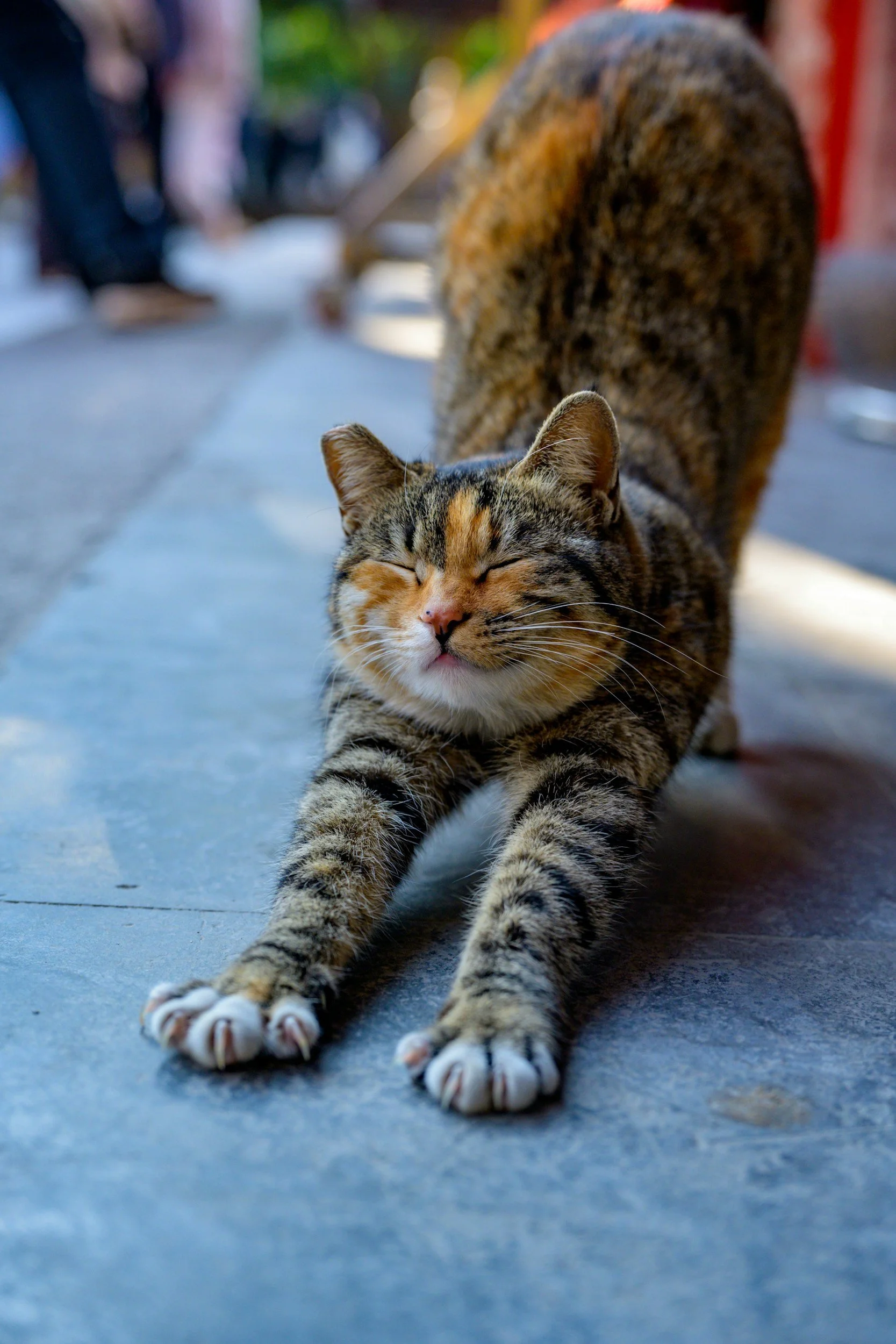
When your brain finally gets the “you’re off-duty” signal, it’s easier to drop into the calm, present headspace that vacations seem to create automatically. Adding a few alternative relaxation methods to your evening routine can support that same mental reset, helping your nervous system settle, your attention return to the moment, and your body unclench from the day’s momentum. If any of these feel like a fit, keep them simple and low-pressure:
Breathwork: slow, steady breathing practices to downshift stress and invite a calmer baseline.
Gentle movement: light stretching or restorative poses to release tension without “working out.”
Ashwagandha: a plant-based option some people use to support stress resilience and relaxation.
THCa: for those who choose cannabinoids, options like THCa powder may be part of a relaxation routine.
Build a Vacation Mindset in 15 Minutes a Day
A vacation mindset isn’t about escaping your life; it’s about recreating the ingredients that make travel feel restorative: spaciousness, novelty, and presence. Use the ideas below as a daily 15-minute “mini-itinerary” you can start today.
Schedule a 10-minute intentional rest block: Put a short rest block on your calendar the same way you’d schedule a meeting, then protect it. Choose one restful mode (eyes closed, feet up, quiet music, or a short walk with no errands) and treat it as non-negotiable. The Rest Spot notes that you can achieve the best results by regular practice, which is how this stops being a one-off treat and starts feeling like a lifestyle.
Create an “arrival ritual” after work: Vacations feel good partly because you transition into them, so build a small threshold moment at home. Pick one low-pressure decompression method from your after-work menu (breathwork, gentle movement, a sensory ritual, or a calming tea) and do it immediately after you walk in. Keep it under five minutes; the win is consistency, not intensity.
Add micro-novelty to one routine you already do: Travel wakes you up because your brain is learning the environment. Do a tiny “new” thing inside a familiar habit: take a different route on your walk, cook one new spice into a staple meal, or rearrange your workspace for the day. Aim for one micro-change daily, so you get the freshness of travel without disrupting your schedule.
Use a 3-minute mindfulness reset to shift into “vacation mode”: Set a timer for three minutes. For one minute, breathe slowly, and count exhales; for the second, relax your jaw/shoulders; for the third, name five things you can see and two you can feel. This simple sequence pulls attention out of the mental to-do list and back into the body, where “I’m here” replaces “I’m behind.”
Plan one small daily enjoyment on purpose: On vacation, pleasure is scheduled; at home, it’s often accidental. Decide in the morning on one enjoyment you’ll make happen: reading 5–10 pages, sitting outside after dinner, a short stretch with music, or a phone-free dessert. Keep it modest and specific so it’s easy to follow through even on busy days.
Do a nightly “postcard recap” in 2 minutes: Before bed, write three bullet points: one moment you noticed, one thing you enjoyed, and one thing you’re grateful for. This reinforces the travel skill of paying attention, and it makes ordinary days feel more distinct. Over time, you’ll build evidence that calm and novelty are available without a plane ticket.
Everyday Vacation Mindset: Common Questions

Q: How can I do this when my life is genuinely busy?
A: Choose the smallest version that still counts: two minutes of quiet, a slower shower, or a single lap around the block. Attach it to something you already do, like right after lunch or when you get home. Consistency beats intensity because it trains your nervous system to expect a pause.
Q: Why do I feel guilty resting when there’s always more to do?
A: Rest is part of being effective, not a reward for finishing everything. The idea that performance improved 8% as people took more vacation time supports what many notice in real life: recovery can boost your output. Start by taking one short break, then return to tasks with a clearer head.
Q: What if mindfulness feels awkward or “not for me”?
A: You do not need to meditate perfectly to benefit. Try a practical reset: breathe out slowly five times and relax your shoulders. Think of it as attention training, like stretching for your mind.
Q: When I miss a day, should I restart from scratch?
A: No. Treat it like brushing your teeth: if you skip once, you simply do it again next time. Pick one tiny action you can do today and move on.
Q: Can quick breaks really reduce stress, or is this just wishful thinking?
A: Your body responds to downshifts faster than you think. Evidence that vacations can reduce serum levels tied to stress hormones points to why even brief calm moments help. Keep it simple and repeatable so relief has a chance to accumulate.
Make the Vacation Mindset a Daily Habit, One Small Step
Real life doesn’t pause for a getaway, so it’s easy to slip into nonstop doing and call it “just how it is.” The steadier alternative is the motivating vacation mindset daily: an intentional way of noticing what restores you, protecting it, and returning to it without ignoring responsibilities. With this summary of practical strategies, small boundaries, mindful transitions, and better recovery, you can start balancing responsibilities with rest and feel lighter without waiting for perfect conditions. A vacation mindset is less about escaping life and more about designing daily moments of real rest.