The Resilient Mind: How to Stay Grounded, Curious, and Strong in an Unpredictable World
Article by Dean Burgess
This article is just one of the many informative pieces of content you can find in our Articles section.
In a time when change seems constant and uncertainty is the new norm, mental resilience has become less of a luxury and more of a life skill. The ability to adapt, stay open, and remain grounded through disruption determines not only how well we survive but how fully we thrive. This article explores practical ways to strengthen psychological flexibility, nurture emotional steadiness, and cultivate curiosity — the mental toolkit needed to navigate a volatile world.

The Essence in a Glance
Resilience is not about toughing it out. It’s about learning, adjusting, and moving forward with agility. The future favors those who stay teachable, connected, and realistic about what can (and can’t) be controlled. By blending mindfulness, lifelong learning, emotional agility, and community support, you can transform uncertainty from a threat into a training ground for growth.
Openness to Change
Change disrupts comfort, but it also expands capacity. Cultivating openness means loosening your grip on fixed expectations and embracing fluidity in how you see yourself and the world.
Try this mental reframe: instead of asking “Why is this happening to me?” ask “What is this teaching me?”
Practice small, low-stakes experiments (take a new route, try a new skill).
Revisit past disruptions — what strengths did you develop through them?
Replace rigidity with curiosity: assume each shift holds potential.

Managing Uncertainty with Curiosity
The human brain craves predictability, yet the world keeps rewriting the script. To manage this tension, treat uncertainty like a problem space to explore rather than a void to avoid. Fear narrows your perception; curiosity widens it.
Turning Uncertainty Into Insight
Name what’s unknown and what’s actually controllable.
Ask exploratory questions (“What else could be true?”).
Treat each setback as a feedback loop.
Limit exposure to speculative noise — feed your mind with signals, not panic.
Learning as a Lifelong Lifeline
A curious, learning-oriented mind is one of the most substantial buffers against instability. Education no longer ends with graduation — it’s a lifelong rehearsal for reinvention. Pursuing new skills not only sharpens your adaptability but also boosts confidence and cognitive flexibility.
For instance, exploring online MHA degree options in fields like healthcare administration can equip you with skills that remain relevant amid economic and technological shifts. Continuing education cultivates the mental resilience to pivot, question assumptions, and stay ready for emerging opportunities.
Mindfulness as an Anchor
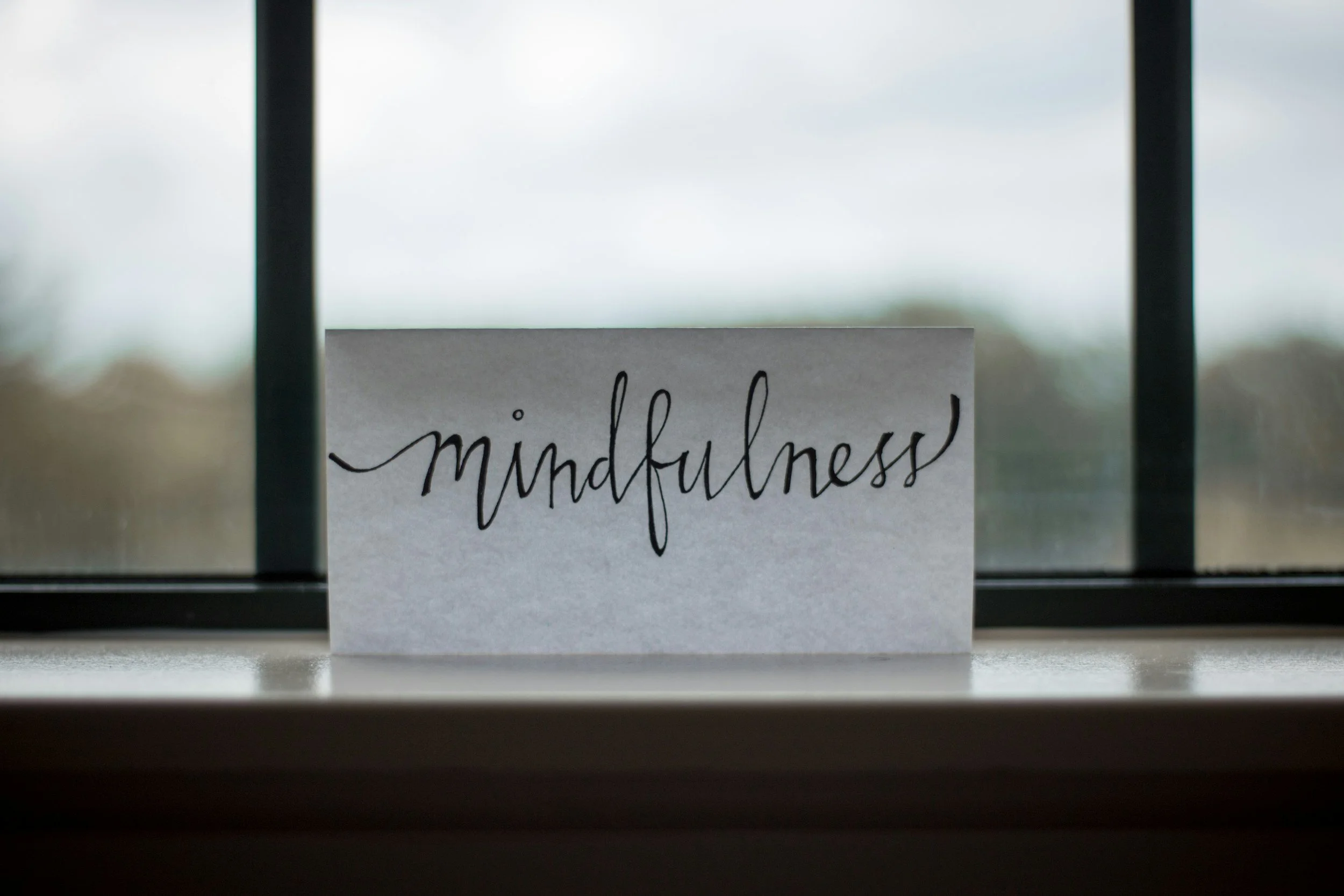
When life feels unpredictable, mindfulness acts as an inner stabilizer. It brings awareness to the present, preventing over-identification with fear or regret.
Simple mindfulness habits:
Begin mornings with five deep, intentional breaths before checking your phone.
During stress, name sensations (“tightness in chest,” “racing heart”) to reduce reactivity.
End the day by noting one thing you handled well — however small.
The goal is not to stop thoughts, but to stop being ruled by them.
Emotional Agility
Emotional agility means engaging with feelings constructively instead of suppressing or overindulging them. Recognizing emotions as data, not directives, helps you respond intentionally rather than impulsively.
How to practice it:
Label emotions precisely (“disappointed” instead of “bad”).
Create space between feeling and response.
Shift self-talk from “I am angry” to “I’m noticing anger.”
This subtle linguistic shift reclaims perspective and composure.
The Power of Relationships
Isolation weakens resilience; connection strengthens it. Relationships act as buffers against stress and accelerators of recovery.

Make intentional space for supportive interactions — even brief, meaningful exchanges can rewire your sense of safety and belonging.

Balancing Optimism with Realism
Optimism without grounding breeds denial; realism without hope breeds paralysis. Resilient people hold both: hope for improvement and honesty about constraints.
Practical guide for balance:
Set micro-goals that feel achievable even on hard days.
Use optimism as a motivator (“This can improve”), not as a prediction.
Remember: resilience is not avoiding pain, but moving through it with purpose.
A Resource Worth Bookmarking
If you’re looking to strengthen your mental adaptability and emotional balance in daily life, the Healthy Minds Program App offers research-backed tools and guided practices. This free app provides mindfulness exercises, resilience challenges, and short audio sessions that teach awareness, connection, insight, and purpose — all proven pillars of long-term mental wellbeing.
Frequently Asked Questions
Can resilience be learned, or is it innate?
It’s learned. Genetics play a role in temperament, but resilience grows through habits, reflection, and environment.
How does curiosity reduce anxiety?
Curiosity activates exploration rather than avoidance networks in the brain, reframing uncertainty as opportunity.
What’s the best daily habit for staying adaptable?
Reflection. Taking five minutes to ask, “What surprised me today, and what did I learn from it?” rewires adaptability over time.
How to Practice Daily Resilience
Morning grounding — two minutes of breathing and intention-setting.
Midday reflection — identify one challenge, reframe it as a learning prompt.
Evening audit — note one skill you applied today and one connection you valued.
Weekly reset — try something new; discomfort is training for adaptability.
Conclusion
The future will not slow down — but your ability to stay centered, learning-oriented, and emotionally agile can outpace the change around you. Resilience is not about perfection; it’s about process. With openness, curiosity, and continuous growth, the unpredictable becomes not something to fear, but something to meet — fully awake and ready.