Simple Strategies to Fix Posture and Feel Better Every Day
Article by Dean Burgess
This article is just one of the many informative pieces of content you can find in our Articles section.
Busy desk workers, remote employees, and active parents juggling screens and errands often blame posture problems on “getting older,” when the real culprit is a handful of daily posture habits repeated for hours. The core tension is simple: life demands sitting, scrolling, driving, and carrying, but bodies pay the price when alignment slips out of place. Over time, poor posture consequences show up as nagging aches, tightness, and fatigue driven by musculoskeletal strain that builds gradually and feels hard to trace. Posture improvement importance becomes obvious once daily comfort, movement, and confidence start to depend on it.

Image courtesy of Pexels
Understanding Spinal Alignment and Posture Benefits
Good posture is less about “standing up straight” and more about keeping your spine stacked in a balanced, natural line. Helpful cues like ears should line up over your shoulders and hips to help your muscles share the workload instead of overworking one area.
When alignment drifts, breathing often gets shallower, and your back and neck muscles work overtime. Bringing your body back into a steady position can ease daily aches, support smoother breathing, and help you stay focused longer because you are not constantly shifting to get comfortable.
Picture answering emails with your chin forward and shoulders rounded. Your ribcage compresses, your lower back tightens, and you feel drained faster. Small adjustments add up because posture is a true foundation for overall health. With the “why” clear, it helps to organize your posture resources so you can follow through consistently.
Establish a routine
One of the biggest challenges of getting a good night's sleep is trying to "squeeze in" sleep. It might seem counterproductive, but Parade explains that creating a sleep routine can help you get the slumber you crave. This means going to bed at the same time, taking the time to relax, and creating a comfy environment.
But just as important as when you get to sleep is when you wake up. Sleepy is tricky; it's not really about the time of day, it's the time in your sleep cycle. Pillow Automatic Sleep Tracker uses your Apple device to track your sleep patterns, then wake you up during your lightest sleep.
Is a broken or drafty window preventing your HVAC system from keeping your bedroom at an optimal temperature? You may need window repair services. To find dependable contractors customers trust, you can visit sites like Angi to find feedback on local companies and then use their app to book contractors. You’ll need to budget for the expense, as window repair averages $290.
Build a One-Folder System for Posture PDFs You’ll Actually Use
Once you understand what good alignment feels like, the next win is making your posture resources easy to grab when you need them. A tool to extract PDF pages can help you turn bulky guides, e-books, or clinic handouts into a simple one-folder library you’ll actually open. Instead of scrolling through dozens of pages to find the same two exercises or that one ergonomic checklist, you can pull out just the most relevant pages and save them as a quick-reference document. Keep it on your phone or laptop for on-the-spot reminders, or print it for daily use; either way, you’re more likely to follow through when the right page is instantly accessible.
Start Today: Practical Fixes for Straighter, Easier Posture
Pick a few of these and start small; posture improves fastest when you repeat simple wins all day, not when you “sit up straight” once and forget. If you built that one-folder system for posture PDFs, choose 1–2 pages to keep open (or print) so your moves stay easy to follow.
Do a 30-second “reset” at your desk: Set a timer for every 30–60 minutes. When it goes off, pause your slump, soften your jaw, and gently draw your shoulders down and back while you feel your spine get tall; cues like release neck and shoulder tension help you stop collapsing forward on autopilot. Finish by planting both feet and imagining the crown of your head floating up for three slow breaths.
Train your upper back with two simple posture exercises: The goal isn’t rigid “military posture”, it’s endurance in the muscles that hold you up. Do 2–3 sets of 8–12 reps of band pull-aparts (or towel pull-aparts) and wall angels, 3–4 days per week; the idea that the permanent fix for poor posture often involves building upper-back and rear-shoulder strength is a helpful north star. Keep reps slow and stop before your neck starts helping.
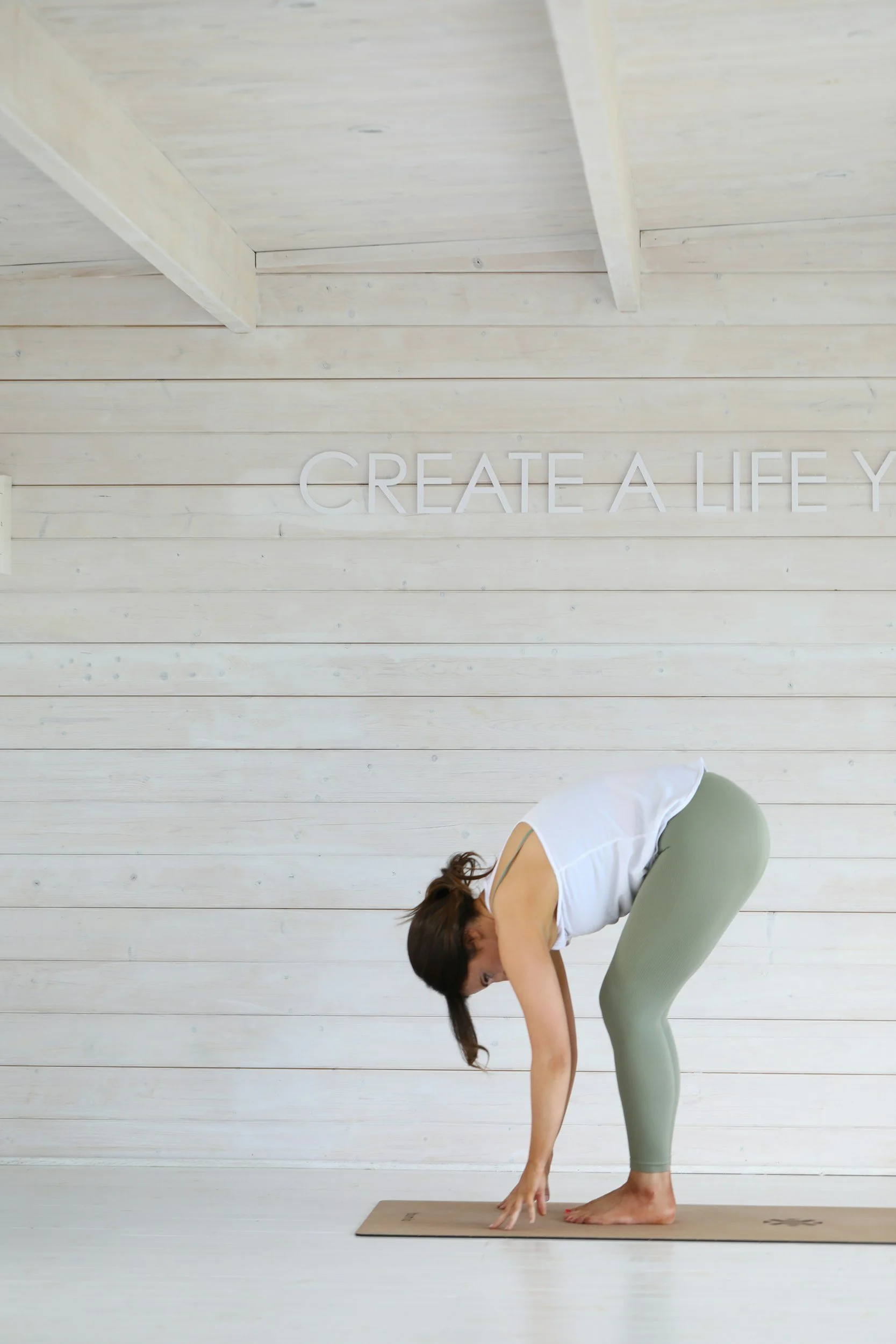
Use yoga for posture: 6 minutes, no floor required: Try a mini-flow: Mountain Pose (30 seconds) Forward Fold (30 seconds) Half Lift (30 seconds) Low Lunge (30 seconds each side) Standing Chest Opener with hands clasped (45 seconds). These positions gently lengthen hip flexors and open the chest, two common “desk-job tight spots” that pull you into a rounded posture. If you do get on the floor, add Sphinx Pose for 45 seconds to wake up your mid-back.
Add breathing techniques that stack your ribs over your pelvis: Once or twice a day, do 5 “360 breaths”: inhale through your nose and feel your ribs expand sideways and into your back, then exhale slowly like you’re fogging a mirror. This reduces the habit of flaring your ribs forward (which often creates a swayback) and gives your spine a more stable, upright base. A great time to practice is right after your desk-reset.
Make ergonomic office furniture adjustments in this order: First, raise your screen so the top third is at eye level; second, bring your keyboard/mouse close so your elbows can stay near your sides; third, adjust chair height so feet are flat and knees are about level with hips. If you can’t change the desk, use a firm cushion to raise your seat and a sturdy stack to raise your monitor. Save an “ergonomic checklist” page in your posture folder so you can re-check in two minutes every Monday.
Prevent tech neck with a “chin-tuck + phone lift” rule: Any time you use your phone, lift it toward eye level and lightly tuck your chin straight back (think “make a double chin,” not “look down”). Do 5 reps, holding each for 3 seconds, and stop if it causes sharp pain. This is especially worth prioritizing because neck pain is the fourth leading cause of disability worldwide.
Upgrade your sleeping posture with one change at a time: If you’re a side sleeper, keep your neck neutral by filling the space between ear and shoulder (often a slightly thicker pillow helps) and place a pillow between knees to keep hips stacked. If you’re a back sleeper, try a small pillow or towel roll under your knees to reduce low-back arching. Give each tweak 3–5 nights before judging it, your body needs a little time to adapt.
Posture Fix FAQs People Ask Most
Q: What if better posture makes my pain flare up?
A: Back off the intensity and aim for “easier upright,” not rigid straightness. Try short, gentle changes like feet planted, jaw relaxed, and a slow exhale, then stop before symptoms spike. If you get sharp, radiating, or worsening pain, it is smart to check in with a clinician.
Q: How long does it take to notice posture improvements?
A: Many people feel a difference in comfort within 1 to 2 weeks when they practice small cues daily, and strength-based changes often take 4 to 8 weeks. Consistency matters more than perfect form, so tie one quick reset to things you already do, like opening your laptop.
Q: Can I fix my posture if I sit all day for work?
A: Yes, if you build in frequent micro-breaks and a workstation that supports you. Keeping awareness of your posture throughout your day makes it easier to catch slouching early, before you lock into it.
Q: Which desk setup change helps the most immediately?
A: Put your screen higher and closer so your head does not drift forward, then pull your keyboard and mouse in so your elbows can stay near your ribs. After that, adjust chair height so feet feel stable and you are not perching.
Q: What stretches help posture without taking much time?
A: Focus on the spots that get tight from sitting: chest, hip flexors, and upper back. A standing chest opener plus a short lunge stretch for 30 to 45 seconds per side is often enough to feel lighter and taller.
Build Better Posture Habits for More Energy and Confidence
Posture is tricky because real life keeps pulling the body back into old positions, especially when pain and busy days compete for attention. The answer isn’t perfection; it’s a commitment to better posture through small, repeatable habits and a calmer mindset that treats setbacks as feedback. With daily posture reminders and steady practice, alignment starts to feel more natural, and the long-term posture benefits show up as easier breathing, better energy, and stronger self-confidence and posture in how one carries oneself. Better posture comes from small choices repeated, not one perfect day.